
Construction job costing: tracking labour per job
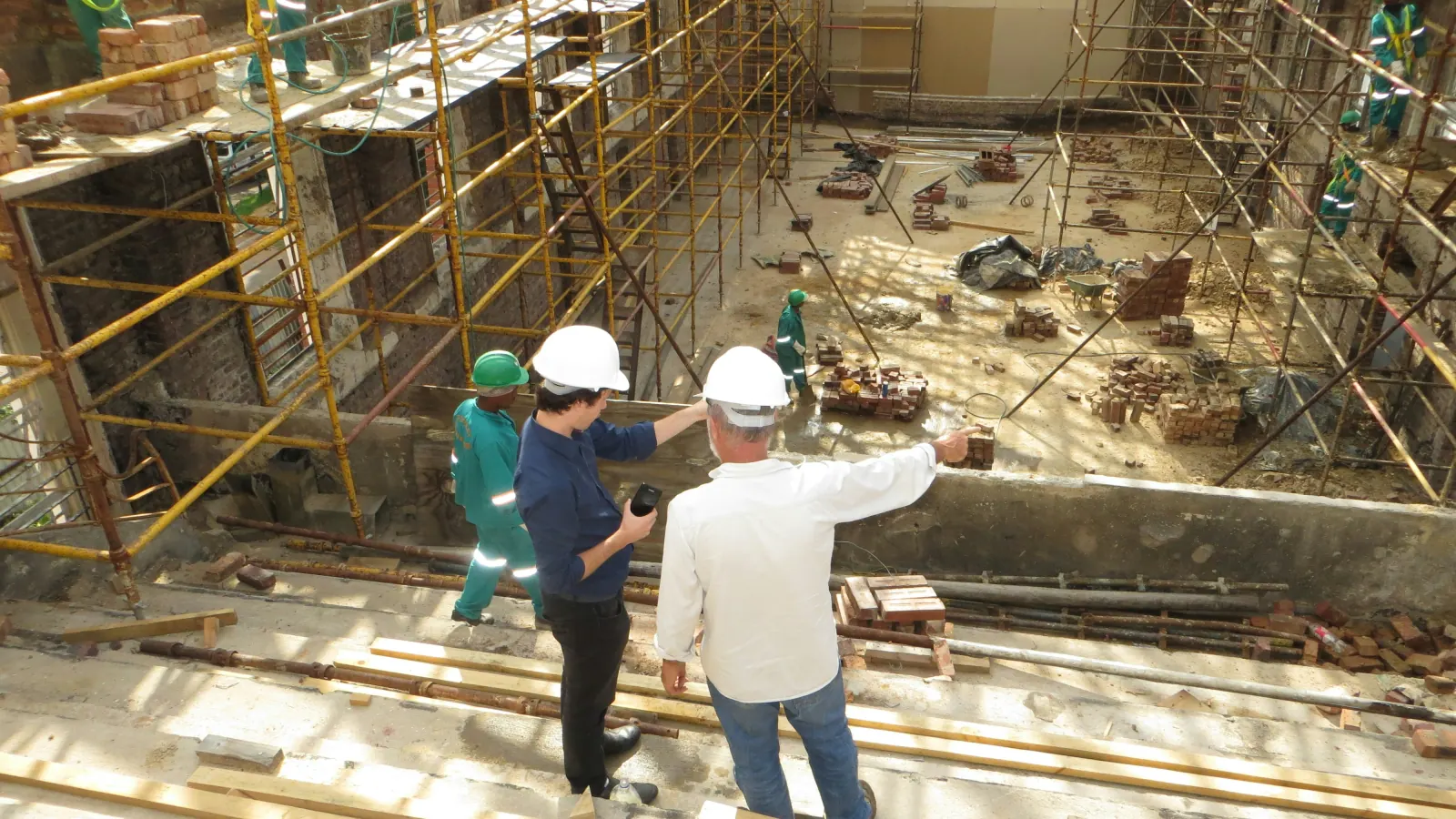
Photo: Mark Potterton · Unsplash
Job costing means knowing what each project actually cost against what you priced it at. On most building jobs labour is the cost that drifts, because it is spread across crews, days and sites. To track it, budget labour per project and task, record every worker’s hours against the job they were on, price those hours at what they really cost (overtime and Sunday premiums included), and compare spend with progress every week rather than at the final account.
Why labour is the hard cost to track
Materials arrive with an invoice and a delivery note that name the job. Labour does not: a crew may spend Monday on one site and Tuesday on two, a labour broker invoices once a month for everyone, and overtime is often worked to catch up on a job that is already behind. Unless hours are recorded against the job as they happen, the labour cost of a project is a guess made after the money is spent.
Labour job costing, step by step
- Budget labour per project, and per task where you can. Use the hours and rand you priced in the tender: for example brickwork, roofing or finishes, each with its own labour budget.
- Record hours against the job, daily. A clocking that knows which site it was made at, plus the task the crew worked on, is enough. Weekly recall is where most of the error comes from.
- Price hours at what they cost. Use each worker’s own rate, and charge overtime, Sunday and public holiday premiums to the job that caused them.
- Split days fairly. When a worker spends part of a day on two jobs, divide the hours between them, and divide any overtime that day by the hours on each.
- Count every worker, including broker and subcontractor labour. Keep your own record of a labour broker’s workers’ hours on each job, so you can check the invoice against it.
- Put the other costs in the same place. Materials, fuel and hire from slips and invoices, allocated to the project or task, and overhead kept apart.
- Compare spend with progress weekly. The question is not only “how much have we spent?” but “how much have we spent for how far we are?”.
A worked example
A contractor priced the labour on a house extension at R180 000. Six weeks in, the timesheets show R104 000 of labour charged to the job, and the site manager estimates the work at 45% complete.
| Measure | Figure |
|---|---|
| Labour budget | R180 000 |
| Labour charged so far | R104 000 (58% of budget) |
| Work complete | 45% |
| Labour budget earned by the work done | R81 000 (45% × R180 000) |
| Over budget for the work done | R23 000 |
| If the rest goes at the same rate | about R231 000 at completion (R104 000 ÷ 0.45) |
Seen at week six, this leaves time to act: find out which task is over (rework, waiting for materials, a crew that is too big), stop the overtime on it, or raise a variation if the scope changed. Seen at the final account, it is a loss.
The same records serve pay and the law
The hours you record for costing are the hours you pay from, and the Basic Conditions of Employment Act requires a record of time worked and pay kept for three years from the last entry (s31). Recording hours once, against the job, serves the costing, the pay run and the record at the same time.
Job costing in Werkwys
In Werkwys, each project has a job number, a contract value and labour budgets, and its tasks have their own hours, money and quantities planned. Labour comes from the timesheets and is posted against the project, task and site as each timesheet is priced, with a split day sharing its overtime by the hours on each job. Slips photographed on site are allocated line by line to a project or task, a site or overhead. Reports show projects against their budgets, one project by task, worker and week, and each labour provider’s hours for checking its invoice. Job costing is part of the Projects plan.
Questions
What is job costing in construction?
Tracking the actual cost of each project, labour, materials, plant and subcontractors, against the budget it was priced at, so you can see while the job is running whether it is making money.
Should overtime be charged to the job?
Yes. The premium for overtime, Sunday or public holiday work is part of what the job cost, and charging it to the job that caused it shows where catch-up work is eating the margin.
How do I check a labour broker’s invoice?
Keep your own record of each broker worker’s hours on each job, from your clocking or roll call, and compare it with the hours on the invoice before paying.
Sources
Read for this guide. Where a figure changes by notice each year, the guide gives the date it applies from.